Is Your Home Ready for an EV Charger? Key Electrical Checks
Signs Your Electrical System May Need an Upgrade for EV Charging
Adding a home EV charger installation is a practical step for any electric vehicle owner. But before you pick out a charger, it pays to look at what your home's electrical system can handle. Many older homes, and even some newer ones, need a few upgrades before they can safely power a Level 2 charger. The good news is that most issues are straightforward to spot. Here are the signs that your electrical setup may need attention before you bring home an EV charger.
1. An Outdated Electrical Panel
The electrical panel is the heart of your home's wiring. It distributes power to every circuit and protects your wiring with circuit breakers. If your panel is old, undersized, or full, it may not have room for a new dedicated circuit for an EV charger. A typical Level 2 charger needs a 40- to 60-amp double-pole breaker. If your panel is already maxed out, you will need either a panel upgrade or a sub-panel. A licensed electrician can tell you if your panel has the capacity and physical space for the new breaker.
2. Frequent Breaker Trips
If you notice that your circuit breaker trips often, especially when you run multiple appliances at once, your home may already be near its electrical limit. Adding an EV charger on top of that load could cause nuisance tripping or, worse, overheating of wires. A load calculation, done by an electrician, will tell you how much spare capacity your system has. If the number comes up short, you will need a panel upgrade or a service upgrade before the home EV charger installation can move forward safely.
3. Old or Aluminum Wiring
Homes built before the 1970s often have aluminum wiring instead of copper. Aluminum is safe when installed correctly, but it expands and contracts more with heat, which can loosen connections over time. EV chargers draw a continuous, heavy load, so loose connections are a fire risk. If your home has aluminum wiring, an electrician should inspect the connections and may recommend pigtailing with copper or replacing sections of wire. This is not a DIY job. The same goes for any wiring that looks frayed, brittle, or outdated. A professional can assess whether the existing wiring can handle the constant draw of a Level 2 charger.
4. No Dedicated Circuit for the Charger
A Level 2 charger must have its own dedicated circuit. That means it should not share a breaker with any other outlet, light, or appliance. If your garage or driveway has only standard outlets on shared circuits, you will need a new dedicated circuit run from the panel to the charger location. This involves conduit, new wire, and a new breaker. It is a job for a licensed electrician because the circuit must meet local code requirements for amperage, grounding, and placement. Trying to plug a Level 2 charger into an existing shared circuit is dangerous and will likely trip the breaker every time you charge.

5. Insufficient Grounding
Proper grounding is essential for any high-power appliance. An EV charger creates a path for fault current, and without good grounding, that current could travel through metal surfaces, creating a shock hazard. Older homes may have two-prong outlets or outdated grounding systems. An electrician can test your grounding and upgrade it if needed. This is a safety-critical step that should never be skipped. If your home has older wiring or a two-wire system, you will likely need a grounding upgrade before the charger can be installed.
6. You See Signs of Overloaded Circuits
Signs like flickering lights, warm switch plates, or a burning smell near the panel or outlets indicate that a circuit is overloaded or has a loose connection. An EV charger adds a significant continuous load, so any existing weakness will become worse. Before you schedule a home EV charger installation, have an electrician inspect and fix any of these warning signs. They may recommend a panel upgrade or a service upgrade to bring your system up to modern standards.
7. Your Panel Is More Than 20 Years Old
Even if your panel seems fine, age matters. Older panels may have breakers that are less reliable, or they may be of a brand that is no longer supported. Some older panels are known for safety issues and are best replaced. A new panel gives you room for the EV charger and improves the overall safety of your home. An electrician can tell you if your panel is a candidate for replacement. In many cases, upgrading the panel is a smart investment that also increases your home's value.
8. You Have a 100-Amp Service
Many older homes have a 100-amp main service. That is enough for basic lighting, a few appliances, and maybe an air conditioner, but adding a 50-amp EV charger can push it over the limit. A load calculation will show if your service can handle the extra draw. If it cannot, you will need to upgrade to 200-amp service or higher. This is a bigger job, but it is often necessary for modern homes with electric cars, heat pumps, and electric appliances. Wooding Electric can help you determine the right service size for your home and handle the upgrade if needed.
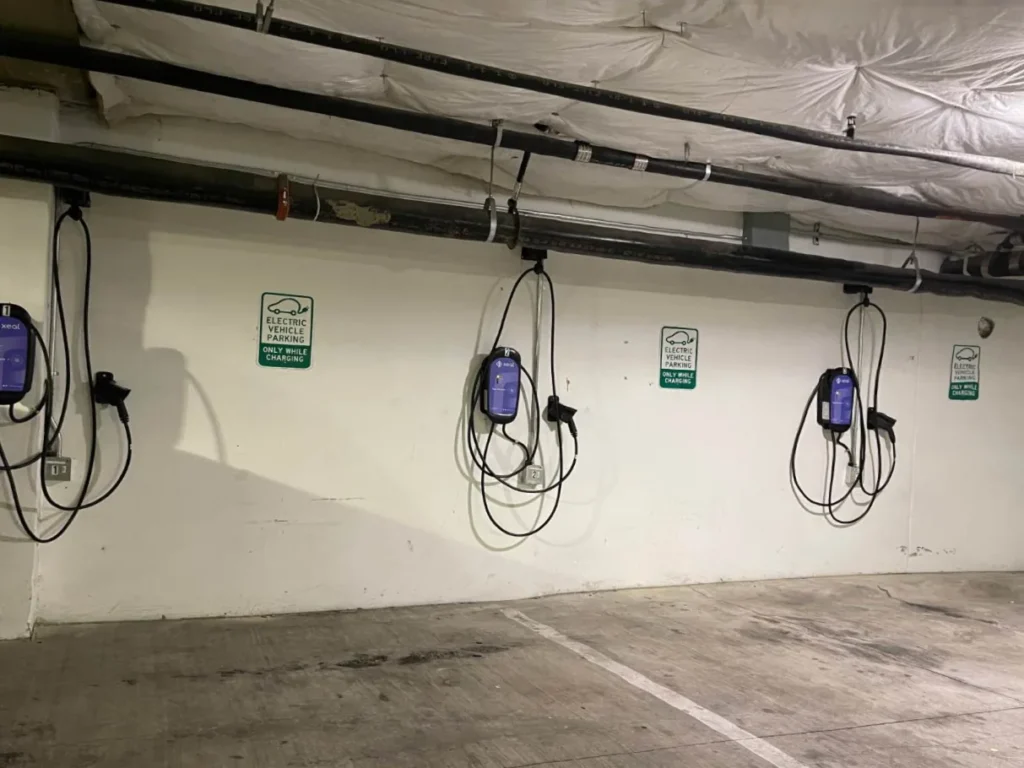
9. Your Charger Location Is Far from the Panel
The distance between your electrical panel and where you want to install the charger affects the cost and complexity of the installation. Long runs of wire require larger gauge wire to avoid voltage drop, and they may need conduit protection. If the run is very long, you might need a sub-panel closer to the charger location. An electrician can measure the distance and calculate the correct wire size. They can also advise on the best routing for the conduit to keep the installation neat and code-compliant.
10. You Are Planning for Future EVs
If you plan to buy a second EV in the next few years, or if you have a household with multiple drivers, consider future-proofing your electrical system now. Installing a larger panel, a sub-panel, or even conduit for a second charger later can save you money and hassle down the road. It is much easier to do this work during the initial installation than to come back later. Discuss your plans with the electrician so they can recommend a setup that will grow with your needs.
What to Do Next
If any of these signs sound familiar, your next step is to call a licensed electrician for an on-site evaluation. They will inspect your panel, measure your service capacity, check your wiring and grounding, and give you a clear picture of what is needed for a safe and reliable home EV charger installation. The electrician can also handle the permit and inspection process, which is required in most areas. Do not try to do the electrical work yourself unless you are a qualified professional. The risks of fire, shock, and damage are too high.
Wooding Electric specializes in home and commercial EV charger installations, dedicated circuits, and related electrical infrastructure in San Jose and the surrounding Bay Area. Their team can assess your home's electrical system and recommend the upgrades that will get you charging safely and efficiently. Whether you need a simple dedicated circuit or a full panel upgrade, they have the experience to do the job right.

Taking the time to check these signs now will save you frustration and money later. A safe, code-compliant installation means you can charge your EV with confidence, knowing your home's electrical system is up to the task. And when you are ready to move forward, a qualified electrician will guide you through every step of the process.